REVIEW · WASHINGTON DC
Smithsonian Natural History + Museum of American History 8ppl Max
Book on Viator →Operated by Babylon Tours DC · Bookable on Viator
Two Smithsonian heavy-hitters, one easy plan. This combo tour strings together the National Museum of Natural History and the National Museum of American History with a guide who helps you hit the must-sees without wasting hours wandering.
I like two things a lot: the small group cap (8 max) that keeps the day feeling personal, and the way the guide connects famous objects to the stories behind them. You’ll see front-and-center highlights like the Hope Diamond and fossil halls in Natural History, then Dorothy’s ruby slippers and major First Ladies and nation-defining moments in American History. Guides such as Brenda and Richard are specifically praised for pacing and for tailoring the route to what you care about most.
One thing to keep in mind: you’ll need a mobile phone number for the mobile ticket, and security rules mean no large bags. Also, this is a moderate-walking day inside active museums, so comfy shoes matter.
In This Review
- Key Things To Know Before You Go
- Why This Smithsonian Combo Works for First-Timers
- Getting There: The 10:00 Meet-Up and Smooth Start
- Natural Museum of Natural History: Fossils, the Hope Diamond, and Henry the Elephant
- American History Museum: Dorothy’s Ruby Slippers and the Stories Behind America
- Group Size, Guides, and Getting Real Value in 5.5 Hours
- Price and Value: What $166.15 Really Buys You
- What to Bring (and What Security Will Expect)
- Timing, Closures, and Why Your Plan Should Stay Flexible
- Who This Tour Fits Best
- Should You Book This Smithsonian Natural History + American History Combo?
- FAQ
- How long is the Smithsonian Natural History + American History Museum combo?
- What is the maximum group size?
- Are museum admission tickets included?
- What time does the tour start, and where do we meet?
- How do we get the tickets?
- Is the tour in English?
- Do we need to bring anything besides normal museum essentials?
- Is hotel pickup or drop-off included?
- What if a museum is closed or delayed?
- Can I cancel for a full refund?
Key Things To Know Before You Go
- Max 8 people means more time asking questions and less time herding with a crowd
- Two 2.5-hour museum blocks makes the day feel balanced instead of rushed
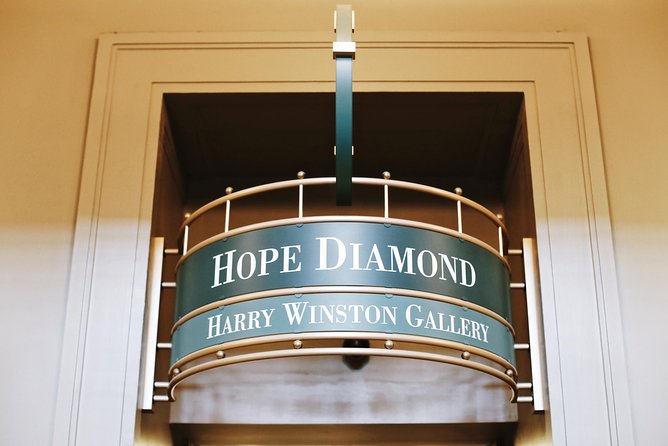
- Famous objects, explained: Hope Diamond, Henry the elephant, ruby slippers, and more
- No hotel pickup: plan to get yourself to the meeting point at 1010 Madison Dr NW
- Security + bag limits: only small bags/handbags through museum entry
- Occasional closures happen: if a museum opening is delayed a lot, you’ll get an alternative, but refunds/discounts may not apply
Why This Smithsonian Combo Works for First-Timers
If this is your first trip to Washington, DC, you’re going to feel the pull in two directions. One side says: see fossils, stones, and the natural world’s greatest hits. The other side says: see the objects that shaped American identity, from national symbols to everyday life. This tour does both on the same day, which saves you the hassle of choosing one museum and hoping you’ll return soon.
The big value is not just that you visit two museums. It’s the order and the guidance. Smithsonian museums are huge, and famous galleries can still be hard to prioritize when you’re staring at a map. With a guide at your side, you’re not guessing which room to enter first or how to connect the dots between what you’re seeing.
You also get a day that’s built for attention. The tour splits time evenly between Natural History and American History, with a chance to recharge between stops. That pacing matters when you’re dealing with crowds, security checks, and the sheer “wow” factor of objects that are famous for a reason.
You can also read our reviews of more historical tours in Washington DC


Getting There: The 10:00 Meet-Up and Smooth Start
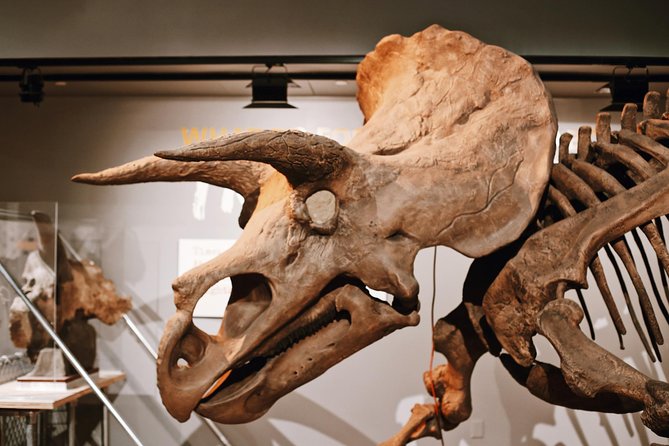
The tour starts at 10:00 am at 1010 Madison Dr NW, Washington, DC 20004. It ends back at the meeting point, so you don’t have to solve the puzzle of where your day lands.
Since hotel pickup or drop-off isn’t included, you’ll want to plan your arrival like a local: arrive a little early, get through security on your schedule, and don’t gamble on the transit timing. The tour is near public transportation, which is a plus if you’re traveling without a car.
One practical tip: bring a mobile phone that’s charged and ready. The tour notes ask you to provide a mobile phone number (with country code). That’s not a sightseeing detail—it’s part of making the mobile ticket work.
Natural Museum of Natural History: Fossils, the Hope Diamond, and Henry the Elephant
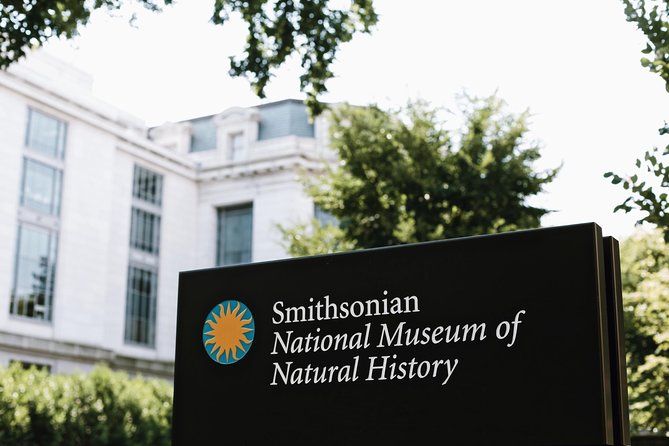
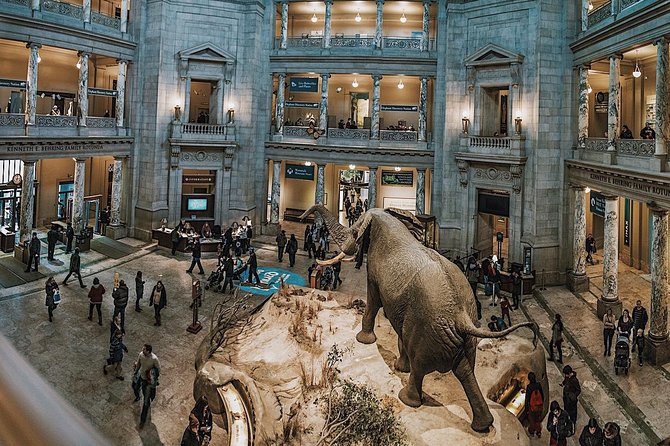
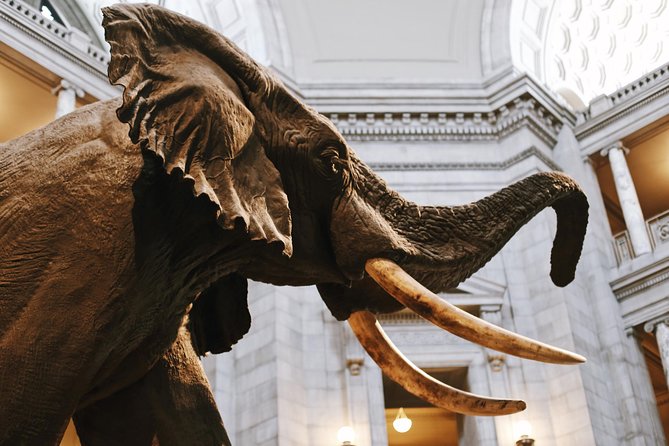
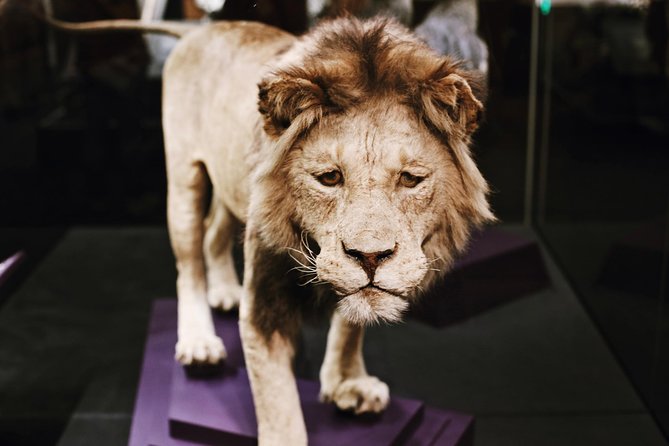
This first block is about 2 hours 30 minutes, and it’s designed to help you walk into the biggest galleries and not lose the thread. You start with the museum’s strongest “first impact” moments—think taxidermy and the famous scale of natural science storytelling.
You’ll be greeted in a way that’s hard to forget: a huge elephant named Henry. It’s the kind of welcome that immediately tells you this is not a quiet museum. It’s a museum that wants your attention right now.
From there, expect a rapid hit of famous highlights and the physical drama of the collections:
- The Hope Diamond, a standout draw and a powerful prompt for the human stories tied to gemstones.
- The recently renovated Fossil Hall, where large prehistoric giants loom overhead—featuring Mastodon, T-Rex, and Diplodocus.
What I like about doing Natural History first is momentum. People often get tired by late morning inside museum crowds. Starting with the most visually intense galleries helps you keep energy up while you’re still fresh.
A drawback to consider: fossil halls and landmark galleries can draw lines and bottlenecks. Even with the guide managing flow, you may still hit slowdowns tied to security and peak visitation. Wear shoes that handle indoor walking, and keep your plan simple: follow the guide, then add questions where you feel curious.
American History Museum: Dorothy’s Ruby Slippers and the Stories Behind America
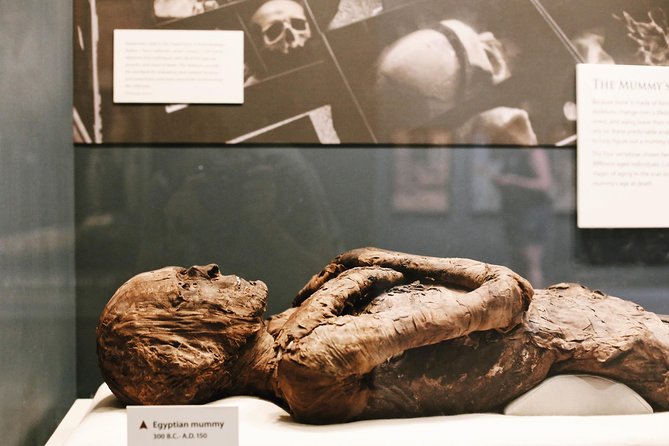
After Natural History, you get a break to recharge before shifting to the American story. This second block is also about 2 hours 30 minutes, and it leans into objects that people know—but might not understand in context.
This is where the tour shines if you like how everyday items connect to bigger moments. You’ll see:
- Dorothy’s ruby slippers, one of the most recognizable pop-culture artifacts in the museum’s orbit.
- The First Ladies exhibit, noted as the most visited Smithsonian exhibit in history.
- The Star-Spangled Banner, including the story tied to Fort McHenry and how events from the War of 1812 helped shape what became the national anthem in later decades.
- The Greensboro Lunch Counter, a reminder that major battles for rights took many forms, not just the ones you see in textbooks.
The American History Museum can feel like a box of timeline puzzles. A guide helps you connect them into a narrative you can actually remember. Expect stops that range from cars and trains to kitchens, military uniforms, and political memorabilia, plus Hollywood material that shows how media and power often travel together.
The possible downside here is also common to museum days: you’ll see a lot of famous items. If you’re the type who likes to linger for long stretches, 2.5 hours can feel short. But in exchange, you get a guided route that covers more than you’d likely manage on your own in a single day.
Group Size, Guides, and Getting Real Value in 5.5 Hours
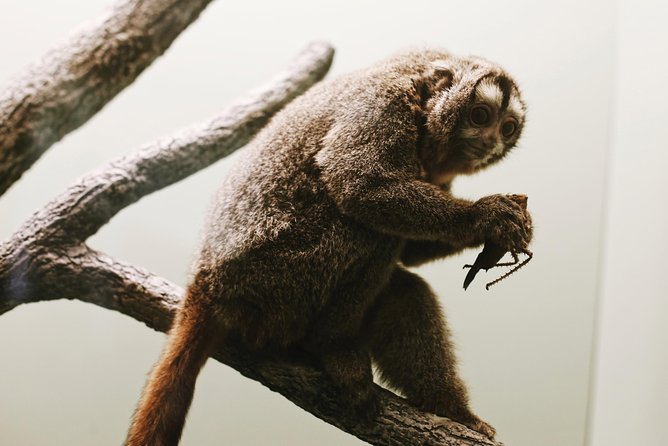
This is capped at 8 travelers, and that matters. In large-group tours, you tend to look at the back of someone’s head and feel like you’re rushing through. In a smaller group, you can actually hear your guide, and your questions don’t get swallowed by the noise.
Guides like Brenda and Richard are praised for doing two crucial things:
1) keeping a smooth pace across both museums, and
2) adjusting the route based on what you care about.
That flexibility is not a minor perk. When you’re paying for a guided combo, you want the guide to steer you toward what will stick in your brain. If your interests lean toward science visuals, Natural History becomes more fun. If you’re drawn to culture and identity, American History becomes more than a list of artifacts.
You should still expect some downtime to manage the real-world rhythm of museums: security lines, crowd movement, and the occasional “quiet rules” inside certain rooms. The tour notes say some rooms have restrictions on speaking, and your guide will brief you before you enter. That’s a small thing, but it helps everyone stay comfortable and respectful.
You can also read our reviews of more museum experiences in Washington DC




Price and Value: What $166.15 Really Buys You
The price is $166.15 per person for about 5 hours 30 minutes, and admission to the museums is free.
So what are you paying for? Mostly you’re paying for three things:
- a guide to help you prioritize and interpret what you’re seeing
- a schedule that prevents “map wandering” in two major museums
- a small group size that turns a huge day into a manageable one
That can be very good value if you’re the kind of person who wants to go deep on context without spending your whole trip planning. If you’re traveling with kids, this setup can also reduce decision fatigue: the guide points the way and you get a clean tour flow through the big highlights.
If you’re the type who loves slow, independent browsing and you’re already comfortable navigating Smithsonian museums, then a self-guided visit might feel cheaper. But you’d be trading away the interpretive layer and the time efficiency. For many first-time visitors, the guide’s route and storytelling are the reason the tour is worth it.
What to Bring (and What Security Will Expect)
Museum entry is where the “practical stuff” shows up. Here are the rules you should plan around:
- No large bags or suitcases inside the museums. Only handbags or small thin bag packs are allowed through security.
- Dress appropriately for entry into some sites.
- Some spots may enforce quiet or restricted speaking, so listen for your guide’s note before you enter those rooms.
Also, since the tour uses a mobile ticket, make sure your phone is actually usable that day. Dead battery + museum security + a mobile ticket requirement is the kind of stress you can avoid.
Finally, this is marked as moderate physical fitness. You’re not climbing mountains, but you are walking around active museum spaces. Plan for indoor stairs and steady walking time.
Timing, Closures, and Why Your Plan Should Stay Flexible
The tour notes include a reality check: Natural History & American History Museum (and other DC attractions) can have occasional closures without warning. If a museum opening is delayed more than 1 hour from the tour start time, you’ll be offered an appropriate alternative.
If a switch like that happens, the notes also say refunds or discounts may not apply. That’s not a reason not to book. It’s a reason to keep expectations realistic for major museums that run on fixed staffing and security rules.
If you’re traveling at a peak time or around special events, it can also be smart to build in flexibility for how quickly galleries fill. Even with guidance, lines can form because of security measures across attractions, and your guide will help manage that flow.
Who This Tour Fits Best
This one fits best if you want:
- a first-timer-friendly way to see two of DC’s biggest Smithsonian sites in one day
- more meaning than just photos of famous objects
- a smoother experience through a museum that’s too large to “wing it” efficiently
It can also be a good choice if you’re traveling in a small group or with family and you value a guided rhythm that keeps kids engaged and adults informed.
If you hate structure, dislike set time blocks, or want to spend half a day in one gallery, you might find the schedule too tight. But if you want a strong best-of route with context, this is the kind of plan that saves you time and makes the museums feel connected.
Should You Book This Smithsonian Natural History + American History Combo?
I think it’s a smart booking if you want maximum value from a limited number of days in DC. The combination pairing is logical: natural science visual impact first, then cultural and national identity stories second. The max 8-person setup gives you a real human connection with the guide, not a rushed slideshow.
Book it if you like the idea of seeing the headline items like Hope Diamond and Dorothy’s ruby slippers—and getting the stories that explain why those objects matter. Skip it only if you already know exactly what rooms you want and you prefer self-guided wandering for longer stretches.
If you’re on the fence, ask yourself this: do you have the time to plan two massive museums well? If not, this tour can do that work for you, while also making the experience easier to enjoy.
FAQ
How long is the Smithsonian Natural History + American History Museum combo?
The tour lasts about 5 hours 30 minutes.
What is the maximum group size?
The tour is limited to a maximum of 8 travelers.
Are museum admission tickets included?
Yes. Admission tickets are free for this tour.
What time does the tour start, and where do we meet?
It starts at 10:00 am at 1010 Madison Dr NW, Washington, DC 20004.
How do we get the tickets?
You’ll receive a mobile ticket, and you must provide a mobile phone number (including country code).
Is the tour in English?
Yes, the tour is offered in English.
Do we need to bring anything besides normal museum essentials?
You should bring a mobile phone that works for the mobile ticket, and plan to follow bag and dress rules for museum entry.
Is hotel pickup or drop-off included?
No, hotel pickup or drop-off is not included.
What if a museum is closed or delayed?
If a museum opening is delayed more than 1 hour from the tour starting time, you’ll be offered an appropriate alternative. The notes say refunds or discounts aren’t available in these cases.
Can I cancel for a full refund?
Yes. You can cancel up to 24 hours in advance for a full refund. Canceling less than 24 hours before the start time is not refundable.