REVIEW · WASHINGTON DC
Washington, DC: Natural History & Air and Space Museum Tour
Book on GetYourGuide →Operated by Babylon Tours DC · Bookable on GetYourGuide
DC crowds can be a lot. This day turns two top Smithsonian stops into a clear, guided route. I love how the Natural History Museum pulls you in with fossils, gems, and famous artifacts, then hands you off to the Air and Space Museum for airplanes, rockets, and space hardware without you losing the thread.
Two things I really like: first, you get a focused walkthrough in a small group (up to 8), so you’re not stuck wandering while other people race for the big-ticket exhibits. Second, the guides bring practical context and story-telling, from museum details to science and tech inspiration. I’ve seen names like Tim, Brenda, Leigh, and Doug pop up as guides—each with the same core skill: keeping the day fun and on track.
One consideration: the museums can have occasional closures or schedule changes without much warning, and if a delay stretches past an hour, the supplier may only offer an alternative rather than a refund or discount. It’s still a great plan, just don’t expect a guaranteed minute-by-minute schedule if something unexpected happens inside the museums.
In This Review
- Key Things You’ll Notice on This DC Double-Museum Tour
- Getting to Your Starting Point: The Madison Drive Stairs Move Fast
- Natural History Museum: Henry the Elephant to the Fossil Hall Feeling
- Break Time Logic: Why the Midday Reset Helps
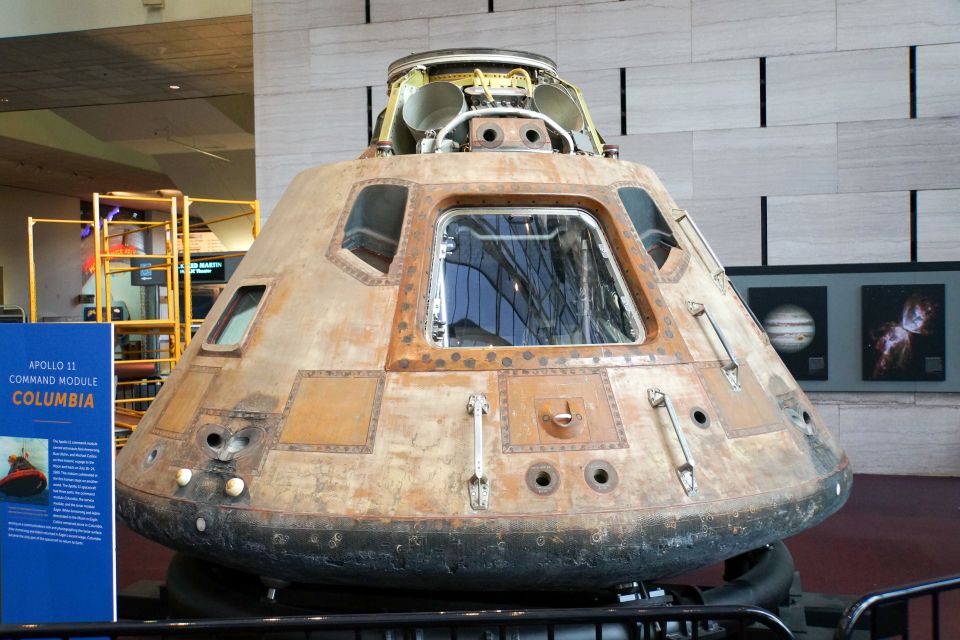
- Air and Space Museum: Wright Flyer to Apollo Command Module
- Sci-Fi References That Actually Help You Understand Science
- Guide Style Is the Whole Point Here
- Price and Value: Is $166 Worth It?
- Timing Tips for a 5.5-Hour Museum Marathon
- Practical Stuff: Bags, Security, Dress, and Quiet Rules
- When Renovations and Closures Change the Day
- Who This Tour Suits Best
- Should You Book This DC Double-Museum Tour?
- FAQ
- How long is the Natural History & Air and Space Museum Tour?
- Which museums are included?
- Is it a private tour or small group?
- How long is the guided time in each museum?
- Do I need to buy tickets in advance?
- Where do we meet the guide?
- What should I bring?
- Are bags allowed?
- Is wheelchair access available?
- What happens if a museum is closed or delayed?
Key Things You’ll Notice on This DC Double-Museum Tour

- Small group, maximum 8 people means you can actually hear your guide and follow the route.
- Two guided walks (2.5 hours each) helps you see the best of both museums without sprinting.
- World-class anchors: the 1903 Wright Brothers Flyer and the Apollo 11 Command Module.
- You get the meaning, not just the objects, with stories around aviation, space, and even sci-fi inspiration like Star Trek’s Starship Enterprise and Star Wars’ X-Wing.
- Natural History highlights are built in, from Hope Diamond lore to a renovated Fossil Hall with Mastodon, T-Rex, and Diplodocus.
- Skip-the-ticket-line so you spend more time looking and less time waiting.
Getting to Your Starting Point: The Madison Drive Stairs Move Fast
Your day begins at the Museum of Natural History, on the large stairs at the Madison Drive NW entrance. Face the lawn of the National Mall, and you’ll find your guide there to start the day as a group.
This matters more than it sounds. The museums sit right in the middle of DC sightseeing flow, which means crowds can grow quickly once morning turns into mid-day. Starting in the right spot helps you avoid the classic first-hour problem: wandering around with a map, trying to catch up.
The tour ends back at the same meeting point too. That’s convenient because you’re not stuck crossing the city at the end. You can plan dinner nearby or walk the Mall while everything is still fresh in your head.
You can also read our reviews of more historical tours in Washington Dc


Natural History Museum: Henry the Elephant to the Fossil Hall Feeling

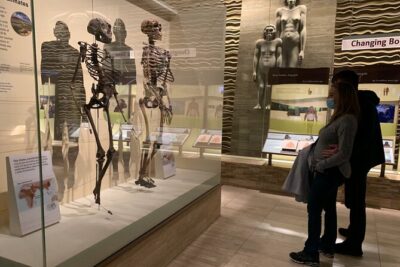
The Natural History Museum portion is designed like a guided greatest-hits loop. You start with the museum’s huge collection—stones, bones, bugs—and you move through the big moments with a guide steering the pace.
The opening vibe is memorable. The description highlights the welcome from the largest taxidermied elephant in the world—Henry. It’s one of those details that makes the museum feel alive right away, not like a list of exhibits.
From there, you’ll focus on major pull-ins that work well on a guided route:
- The Hope Diamond, described as the museum’s most famous single artifact, and yes, it comes with the famous cursed legend people love to hear.
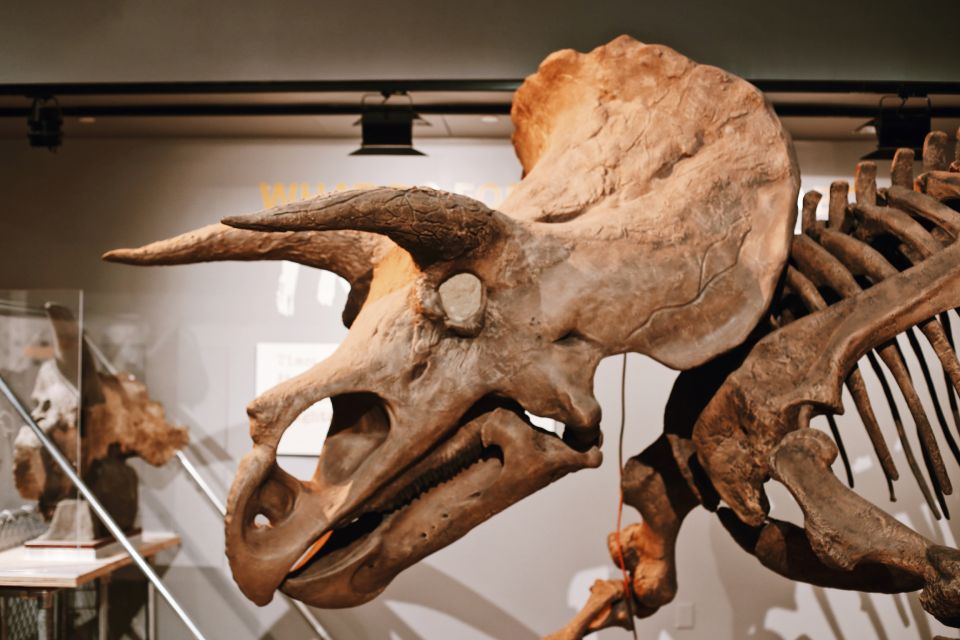
- The recently renovated Fossil Hall, where dinosaurs loom over the path. You’ll see the Mastodon, T-Rex, and Diplodocus featured in that setup, and the guide will help you understand what you’re looking at rather than just pointing and moving on.
Why this is valuable for you: without guidance, Natural History can turn into a choose-your-own-adventure where you keep arriving at the next room exhausted. With a route, you still get variety, but you also get momentum. You’ll know why each area is worth your time and how the exhibits connect.
A small-group format also helps here. It’s easier to slow down when the guide spots something that’s worth your attention—like the difference between a famous artifact and the broader science context around it.
Break Time Logic: Why the Midday Reset Helps

Between the Natural History and Air and Space museums, you’ll have a break and recharge. Then you cross the National Mall to the Air and Space side.
This break is more than a pause in the schedule. It’s what keeps a 5.5-hour day from turning into museum fatigue. Natural History can grab you with fossils and gems, but Air and Space hits with scale and intensity—wings, engines, spacecraft, and all the bravery it took to test new tech.
If you tend to get snack-hungry in museums, plan to fuel yourself during the break window. The tour includes no food and drinks, so you’re responsible for what you bring or buy nearby.
Air and Space Museum: Wright Flyer to Apollo Command Module
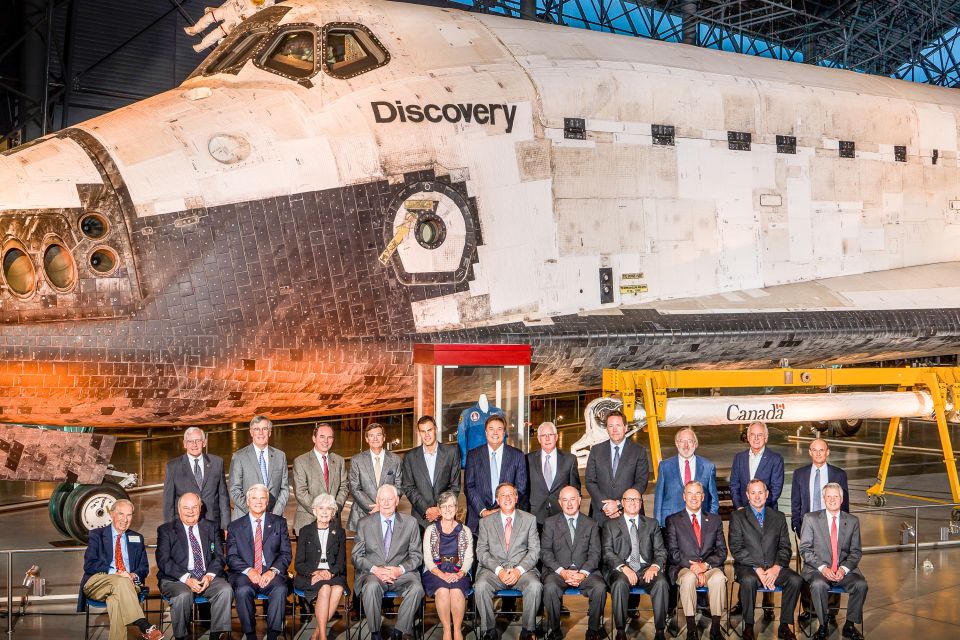
The Air and Space Museum portion is where the day shifts from nature’s deep time to human engineering and the big leaps of flight.
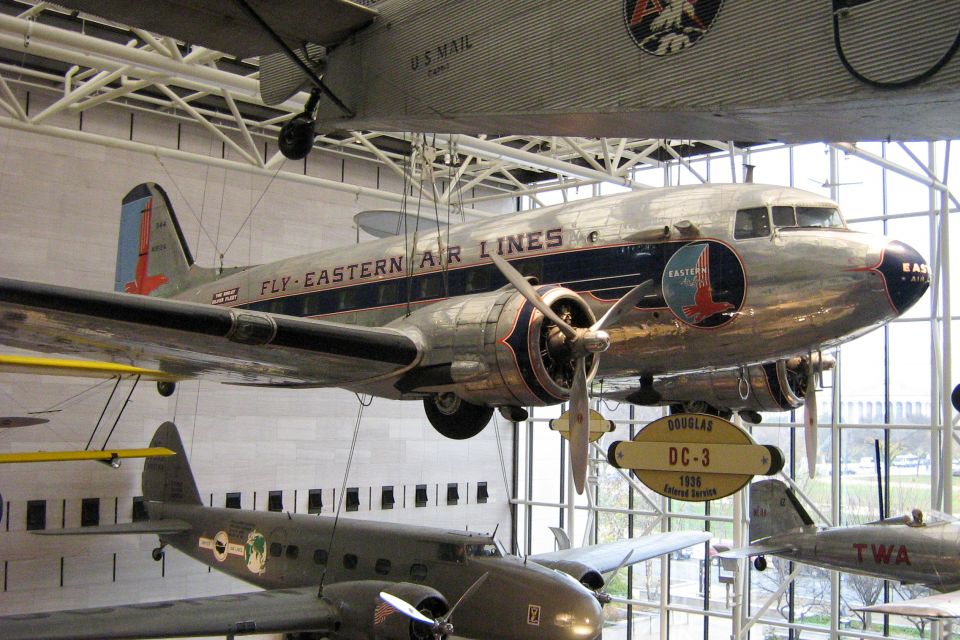
You start with aviation history anchored by the Wright Brothers. The description emphasizes the familiar Ohio origin story—family members working on a problem so tough it’s compared to work even Leonardo DaVinci might not have cracked. The tone is not just technical. It’s about guts and persistence, the human side of inventions.
Then comes the centerpiece: the 1903 Wright Brothers Flyer. There’s even a dedicated exhibition gallery built around that artifact, which sets the stage for what comes after.
From there, you’ll move through the evolution of flight:
- the first military flyer from 1909 (also attributed to the Wright Brothers)
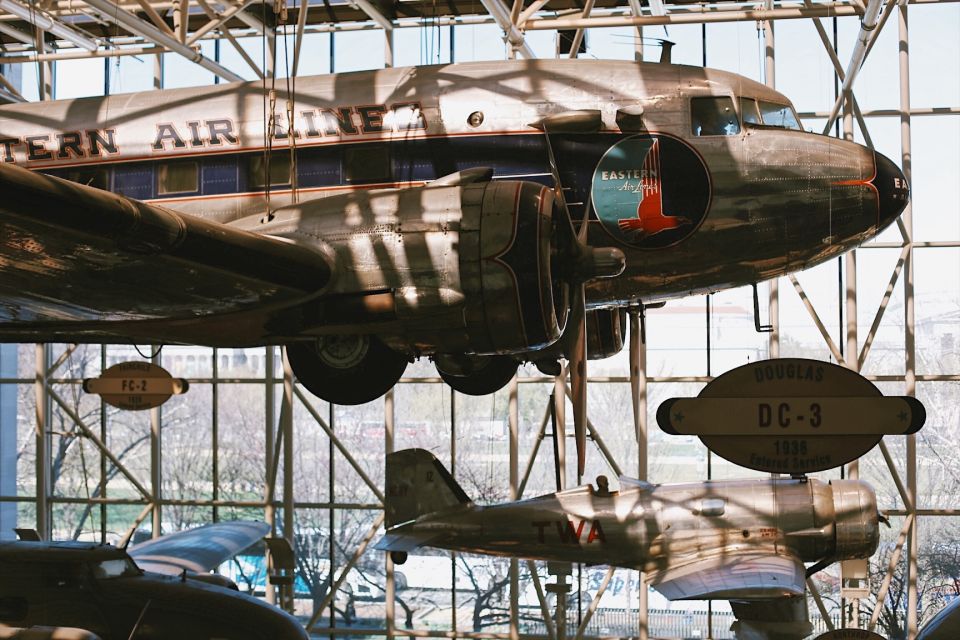
- the record-setting and commercial aviation era that followed
The guide’s role here matters because aviation tech can feel intimidating if you only see it as hardware. With guidance, you’re more likely to notice the engineering story: what changed, why it mattered, and what problems designers were solving.
Then the tour raises the stakes with space exhibits. You’ll see actual artifacts connected to missions that aimed to conquer the unknown in harsh conditions, plus spacesuit-related material. And you’ll reach the moon-era highlight: the Apollo 11 Command Module.
For you, this is the best kind of “science museum payoff.” You go from wings and thrust to survival in space, and it all stays connected by the same theme: turning imagination into experiments you can actually build.
Sci-Fi References That Actually Help You Understand Science
One of the interesting additions is how your guide ties the exhibits to inspiration from pop culture, specifically Starship Enterprise and Star Wars X-Wing.
I like this approach because it doesn’t treat sci-fi as childish fun. It treats it like a blueprint for curiosity—how stories can nudge real engineers to think about propulsion, design, and “what if” problems before anyone has a solution.
If you’re traveling with kids, this part can turn the whole day into a conversation instead of a lecture. If you’re an adult, it keeps the exhibits from feeling too academic. Either way, it helps you remember what you saw after you leave.
You can also read our reviews of more museum experiences in Washington Dc






Guide Style Is the Whole Point Here
This tour is built around one big idea: guides help you navigate crowds and make sense of what you’re seeing.
In past tour experiences connected to this company, guides like Tim and Doug are praised for being very knowledgeable and professional. Brenda is noted for providing detailed information and museum context, and Leigh is highlighted for giving real insight into collections and exhibits.
Even without knowing which guide you’ll get, you can count on the same goal: you won’t just walk through rooms. You’ll get explanations timed to what you’re looking at, plus help staying oriented in a museum that’s too big to feel intuitive.
Also, you get a practical touch. The tour includes skip-the-ticket-line, which is not a small perk in DC. It means you can get into the exhibits faster and your guide can start shaping the day immediately instead of losing time to waiting.
Price and Value: Is $166 Worth It?
At $166 per person for roughly 5.5 hours, this tour is priced for a guided experience, not a DIY sprint. Here’s how that price makes sense based on what’s included.
You’re paying for:
- Local expert guide support across both museums
- Two full guided segments (2.5 hours each walking tour)
- Small group or private option with a maximum of 8 people
- Skip-the-ticket-line
If you tried to do both museums on your own, you’d still spend time inside—plus you’d spend extra time deciding where to go first. Natural History is enormous, and Air and Space can be just as intense. The guide’s job is to help you spend your limited sightseeing energy on exhibits that connect and matter.
Private tours cost more in most markets, but the small group cap at 8 helps keep the value feeling real. You get human interaction without the day turning into a chaotic crowd experience.
Timing Tips for a 5.5-Hour Museum Marathon

The tour runs about 5.5 hours, and starting times depend on availability. That means you should treat this as a morning-leaning plan, even if your exact start time varies.
Here’s how to make the most of the schedule:
- Show up early enough to find your guide at the Madison Drive NW entrance meeting spot. The day starts on the big stairs facing the National Mall lawn.
- Bring an ID (passport or valid photo ID) so you’re not slowed down.
- Wear shoes you can walk in for a few hours. These are walking tours, and museums reward people who can move comfortably.
Also, consider the rhythm. Natural History and Air and Space both have “anchor exhibits” that people rush for. Your guided route helps you hit those without spending the whole day stuck at one line or one room.
Practical Stuff: Bags, Security, Dress, and Quiet Rules
A great museum day can get derailed by security lines and rule misunderstandings, so pay attention to these.
What to bring:
- Passport or ID card
What you can’t bring:
- Luggage or large bags
What you can bring through security:
- Only handbags or small thin bag packs are allowed.
Dress:
- Appropriate dress is required for entry into some sites on the tour.
Inside the museums:
- Some specific rooms may require quiet or restricted speaking. Your guide will explain what’s expected before you enter those areas.
These details aren’t there to be annoying. They’re there because the museums can enforce rules quickly, and your tour experience stays smooth if you plan ahead.
When Renovations and Closures Change the Day
The Air and Space Museum is described as currently undergoing renovation, and like many major museums, it may also have occasional closures. The key point for you: if museum opening times are delayed more than 1 hour from the tour starting time, you’ll be offered an appropriate alternative—but the supplier is unable to provide refunds or discounts in those cases.
So how should you react to this info?
- Build a bit of flexibility into your DC schedule.
- Treat the day as a guided orientation to major exhibits, with the understanding that the museums are large institutions with their own operation schedules.
Even with that caveat, this tour is still a strong value because you’re guided through two of the most popular museum experiences in DC, which is the hard part to replicate without guidance.
Who This Tour Suits Best
This is a good match if you:
- want to see both the Natural History and Air and Space museums in one day
- prefer a plan over wandering through huge floors
- like big iconic objects (Hope Diamond lore, Wright Flyer, Apollo 11 module) but also want the science context
- travel in a small group or family setup and want a guide to keep everyone moving
It’s also a strong option for anyone who dislikes wasting time in lines. Skip-the-ticket-line plus a guided route is the antidote to “we missed the main thing because we got turned around.”
Should You Book This DC Double-Museum Tour?
I’d book it if your priority is a smooth, guided day hitting the biggest hits in Natural History and Air and Space, with a guide helping you connect the objects to the bigger stories. The small group limit makes it feel manageable, and the anchor exhibits—1903 Wright Flyer and Apollo 11 Command Module—are the kind of stops that justify paying for a structured route.
I wouldn’t book it as strongly if your schedule is painfully strict and you can’t handle the chance of a museum delay or closure. The tour can adjust with alternatives, but you should still know that refunds or discounts aren’t guaranteed if things shift due to museum management timing.
Bottom line: if you want DC museums without the chaos, this is one of the easier ways to make the day work and leave feeling like you truly understood what you saw.
FAQ
How long is the Natural History & Air and Space Museum Tour?
The tour lasts about 5.5 hours, with specific starting times depending on availability.
Which museums are included?
You’ll visit the Smithsonian National Museum of Natural History and the Smithsonian National Air and Space Museum.
Is it a private tour or small group?
Both are available. Tours are private or small-group options with a maximum of 8 people.
How long is the guided time in each museum?
It includes a 2.5-hour walking tour in the Natural History Museum and a 2.5-hour walking tour in the Air and Space Museum.
Do I need to buy tickets in advance?
The tour includes skip-the-ticket-line, but you still need a reservation for the tour itself.
Where do we meet the guide?
Meet on the large stairs at the Madison Drive NW entrance of the Museum of Natural History, facing the lawn of the National Mall.
What should I bring?
Bring a passport or a valid ID card.
Are bags allowed?
Luggage or large bags are not allowed. Only handbags or small thin bag packs are permitted through security.
Is wheelchair access available?
Wheelchair tours are available by request.
What happens if a museum is closed or delayed?
The museums may have occasional closures without prior warning. If opening is delayed by more than 1 hour from the tour start time, you’ll be provided with an appropriate alternative, and the supplier is unable to provide refunds or discounts in those cases.