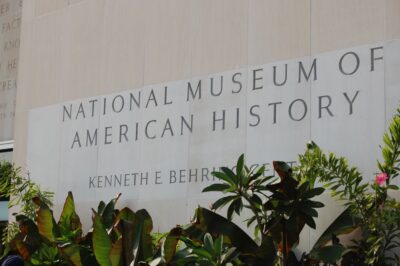
REVIEW · WASHINGTON DC
Museum of the Bible Admission Ticket
Book on Viator →Operated by Museum of the Bible · Bookable on Viator
Bible stories feel close up here. The Museum of the Bible turns big religious history into hands-on rooms, from walking on dry land through the Red Sea to wandering a first-century village. And when you’re ready to slow down, you can also see rare artifacts connected to the Vatican and Israel.
I love that the experience is built for real time—about 3 hours—so you can learn without it turning into a lecture. Plus, your admission includes a digital guide that helps you make sense of what you’re seeing as you move room to room. One thing to watch: the ticket covers entry, but popular shows and add-ons (like virtual reality or Washington Revelations) cost extra, and those add-ons can change the final price.
The museum sits just a few blocks off the National Mall in Washington, D.C., so it fits cleanly with a day of monuments. You’ll redeem your ticket at 400 4th St SW (right in the city center area), and the museum runs Monday through Saturday from 9:00 AM to 5:00 PM in the listed date ranges. Plan your timing with the 5:00 PM end in mind, and keep in your mind that security lines still happen even if you already pre-booked.
In This Review
- Key highlights before you go
- Museum Of The Bible: What The Included Ticket Actually Gets You
- Finding The Museum: 400 4th St SW and A DC Day That Flows
- Inside The Museum: A Smart 3-Hour Circuit (So You Don’t Feel Rushed)
- Stop 1: Museum Of The Bible Experiences, From Red Sea Steps to Street-Level Story
- Walking the Red Sea and entering biblical scenes
- Video storytelling you can’t ignore
- Rare Artifacts From Vatican and Israel: Why Slowing Down Helps
- Digital Guide: How to Use It Without Turning Your Visit into a Phone Task
- Optional Add-Ons: Where The Price Can Surprise You
- Food, Timing, and The Little Things That Matter (Like 5 PM)
- Who This Is Best For (And Who Might Want A Different Plan)
- Should You Book This Museum Of The Bible Ticket?
- FAQ
- How long is the Museum of the Bible experience?
- Where do I redeem my admission ticket?
- What are the opening hours?
- Is the admission ticket included?
- What add-ons are not included?
- Are service animals allowed?
- Is it near public transportation?
- Can most people participate?
- What is the cancellation policy?
- Does the experience depend on weather?
Key highlights before you go
- Walk-through Bible scenes like the Red Sea and a first-century village
- Rare artifacts connected to the Vatican and Israel
- Digital guide included for deeper context while you explore
- About 3 hours is the right target for a full visit
- Virtual reality can be a favorite add-on, if you want extra tech
- Add-ons can add up, so decide your budget before you arrive
Museum Of The Bible: What The Included Ticket Actually Gets You
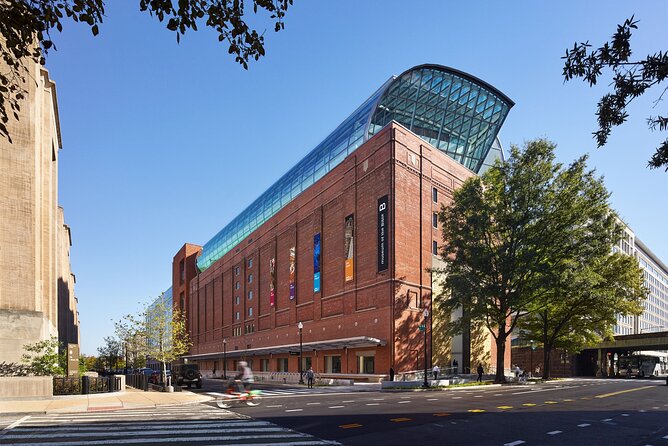
With the admission ticket included, you’re paying for entry into the museum experience—not a separate guided tour. Inside, the core value is the combination of interactive exhibits plus display rooms that focus on the history of the Bible in the United States and its larger story through time.
What you’ll feel as you go in is that the museum isn’t trying to be just a quiet gallery. It wants you moving. You’ll get scenes that act like sets, then you’ll get artifacts and media that help you understand where the stories came from and how they shaped people’s beliefs and culture.
Also, it’s not a one-and-done floor. The museum is designed as a circuit. The trick is pacing—if you rush, you’ll miss the points where the museum becomes genuinely memorable (the rooms that mix story, sound, and scale). If you take your time, you’ll likely feel that the museum earns its attention.
The “digital guide included” part matters more than you might expect. Without it, some exhibits can feel like they’re telling you a story but you have to work a little to connect the dots. With it, you can slow down and follow along with what you’re seeing.
One more practical note: the experience is set for about 3 hours. That’s enough time to see a lot, but not enough to drift. If you’re the type who needs breaks every hour, give yourself a bit more flexibility.
You can also read our reviews of more tours and experiences in Washington DC



Finding The Museum: 400 4th St SW and A DC Day That Flows
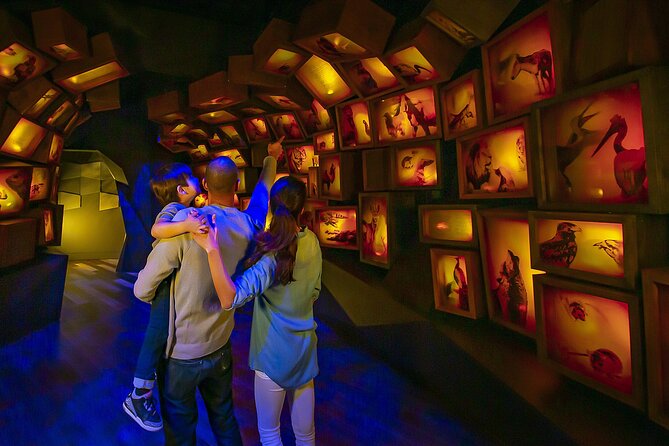
The ticket redemption point is 400 4th St SW, Washington, DC 20024, USA. That address matters because it sets you up for an easy start. You’re also close to the National Mall area, which means you can pair this with the rest of your sightseeing without a big commute.
If you’re driving, know this: parking around Washington can be confusing. One clear lesson from people who visited is to pay attention to the fine print on street rules—drop-off-only areas can be near where you think you should park. If you’re parking, keep signage as your boss, not the curb markings you assume you understand.
If you’re using public transportation, you’ll be glad it’s described as near public transit. That matters in DC. It’s one less headache when the day is already full of walking.
And even when you pre-book, keep expectations grounded: you may still need to go through security and entry checks. Pre-booked tickets can reduce stress at the ticket counter, but they don’t eliminate lines entirely.
Inside The Museum: A Smart 3-Hour Circuit (So You Don’t Feel Rushed)
Plan for about 3 hours inside. That’s the sweet spot many people aim for, and it matches what you’ll find once you start moving through interactive rooms, video sections, and exhibit halls.
A helpful way to structure your visit is to use the museum’s flow instead of forcing your own. One tip that shows up in real-world visits: start on the 3rd floor, then work your way through the 4th and 5th floors, finishing on the 2nd floor. It’s not required, but it can help you avoid backtracking and keep your momentum.
You should also expect video content. Two separate video sessions of about 30 minutes each show up in planning for many visitors. That’s a big chunk of time, so build it into your pacing rather than treating it as a bonus you might squeeze in.
Here’s what makes this timing practical: the museum includes moments that reward attention (like artifact rooms and story explanations), and moments that reward movement (like walk-through sets). If you treat the whole visit as one long sprint, you’ll skim the parts that actually stick with you.
Also, the visit ends strictly at 5:00 PM. So if you’re arriving late in the day, you’ll need to choose what to prioritize. The museum is that kind of place: it’s better when you plan a route than when you hope you can see everything “just in time.”
Stop 1: Museum Of The Bible Experiences, From Red Sea Steps to Street-Level Story
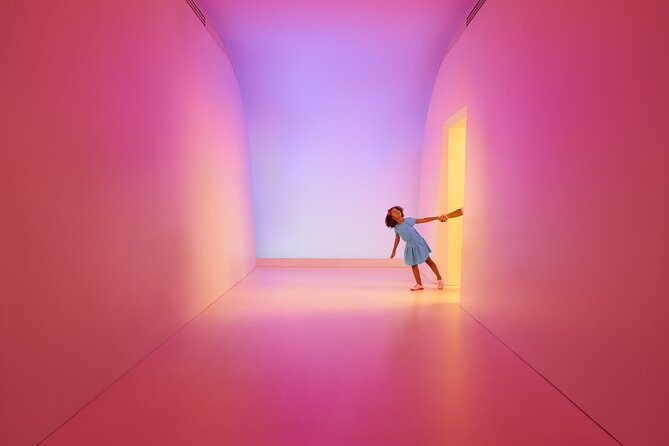
This visit is one main stop—the Museum of the Bible—but the experience breaks into several distinct “you-feel-it” moments.
Walking the Red Sea and entering biblical scenes
The museum’s headline promise is that you can walk on dry land through the Red Sea. That matters because it turns text into physical scale. Instead of imagining the scene, you’re in it. Even if you don’t share every religious belief, you can still appreciate how the museum uses space, lighting, and atmosphere to tell a story.
Right after that kind of scene-setting, you can wander the streets of a first-century village. This is where the museum often wins over people who expected only static displays. The streets help you picture daily life in a way that charts can’t.
Drawback to consider: interactive scenes take energy. If you’re tired of walking and standing, you might find some rooms a lot more engaging than others. But if you like “see it, then learn it,” this section is where the museum earns attention.
You can also read our reviews of more museum experiences in Washington DC





Video storytelling you can’t ignore
Many people plan around two video sessions. Each is about 30 minutes, so if you skip them, you’ll likely feel like something important is missing. If you watch them, you’ll better understand what the museum is trying to connect: how biblical stories traveled through time, and how they became meaningful to communities.
You don’t need to treat the videos like homework. Use them as anchors. When you finish a video, pause and look back at the exhibits around it. That’s how the story format starts to click.
Rare Artifacts From Vatican and Israel: Why Slowing Down Helps
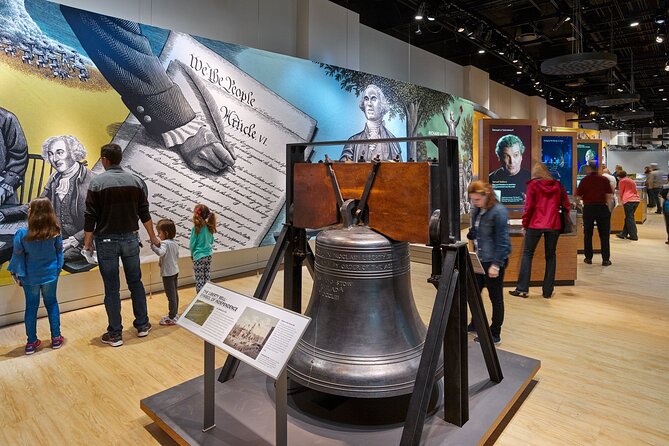
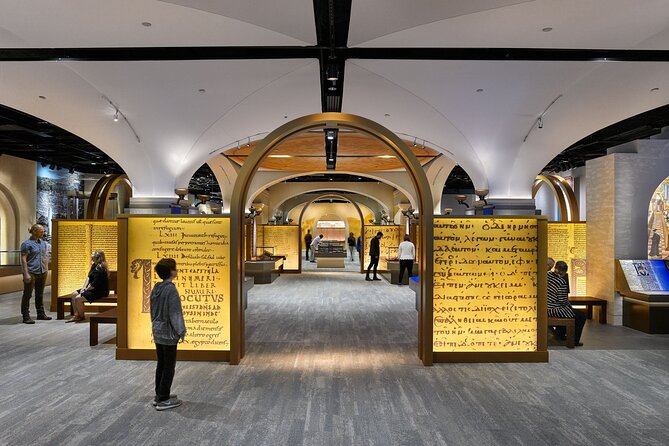
One of the most praised elements is the chance to see rare artifacts connected to the Vatican and Israel. This is where your visit shifts from “cool scenes” to “wait, this is real-world material.”
Artifacts can do two things at once:
- They make stories feel grounded in objects and history.
- They also remind you that belief traditions have documented paths—through copying, preserving, collecting, and teaching.
Even if you’re not a collector type, artifacts create weight. They push you to slow down. And that slowing down can be a relief after the interactive rooms.
Practical tip: don’t rush this section. If you speed through, you’ll miss the explanatory context that helps you connect the artifact to the larger biblical timeline.
Digital Guide: How to Use It Without Turning Your Visit into a Phone Task
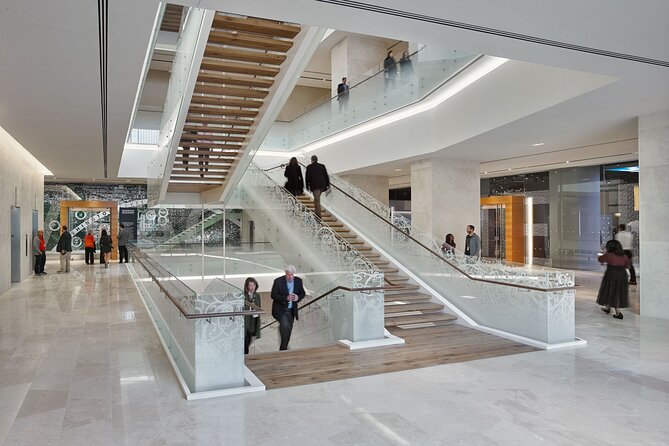
Your admission includes a digital guide, and it can add real value if you use it with intention. Think of it as a way to avoid mental “blank spots.” Instead of wondering what you’re looking at, you can match the exhibit to the story the museum is telling.
The best way to use a digital guide in a museum is simple: check it when you see the first unfamiliar detail. Once you understand the purpose of a room, keep going without constant checking. That helps you keep the visit flowing.
One more reason it matters: the museum mixes history, religion, and technology. That can feel overwhelming if you don’t have a “thread.” The digital guide gives you that thread, so your brain doesn’t have to invent one from scratch.
Optional Add-Ons: Where The Price Can Surprise You
Here’s the key point: the included ticket is admission only. Add-on experiences are listed separately, including Guided Tours, Washington Revelations, and Virtual Reality.
These extras can be worth it—but only if you plan for them. Some visitors found the add-ons feel like they come out of nowhere, and the final bill can rise fast. If your goal is to see the museum and move on, stick to the included admission and focus on the core exhibits.
If your goal is maximum technology, virtual reality is often a highlight. One person said it was their favorite part. That’s a good sign if you enjoy tech-driven storytelling. Just remember VR is not included, so budget accordingly.
Also keep expectations realistic: some parts of the museum experience can feel like “paid layers.” That doesn’t mean the museum isn’t great. It just means your visit becomes a choice-based day. You decide where you spend, and where you simply enjoy what’s already included.
Food, Timing, and The Little Things That Matter (Like 5 PM)
There’s a restaurant on site, and at least one visitor described it as good. If you plan to eat, it helps to do it mid-visit, not at the last minute. That way you don’t lose time when you might be saving energy for the video rooms or the artifact sections.
Timing is the big one. Since the experience ends strictly at 5:00 PM, don’t assume you can stroll at the end and still see everything. If you want the full value, set a “must-see” list before you enter and check it off as you go.
If you have kids or you’re traveling as a group, build in small pauses. Interactive exhibits move fast. You’ll enjoy the day more if you treat those pauses like part of the plan, not like interruptions.
Who This Is Best For (And Who Might Want A Different Plan)
This museum works especially well if you like:
- Interactive exhibits and walk-through scenes
- Learning that mixes story and physical space
- A topic that connects religion with U.S. history and culture
- People who enjoy video storytelling and hands-on displays
It can also work for mixed-interest groups—some people go in expecting faith-focused content and find the history and presentation useful even if they aren’t deeply religious.
Who might struggle? If you want a straightforward museum with nothing extra to decide, you may feel friction when optional experiences cost extra. Also, if you don’t like waiting for video sessions, plan your pacing so you don’t feel stuck.
That said, with a 4.5 rating from 233 reviews, the overall consensus is strongly positive. The museum’s strongest power is that it’s hard to forget once you’ve walked through the scenes and seen the artifact displays.
Should You Book This Museum Of The Bible Ticket?
Yes—if you want one focused DC stop that combines story, hands-on exhibits, and real artifacts. The included admission is the core value, and the museum’s pacing fits well into a half-day plan.
Book it if:
- You’re planning a DC day near the National Mall and want an indoor, high-impact stop
- You’d enjoy walking through major biblical scenes like the Red Sea and a first-century village
- You like the idea of a digital guide helping you make sense of what you see
Maybe skip the add-ons (or add them only after you’re inside) if:
- You’re trying to keep spending tight
- You’d rather pay once and focus on what’s included
- You’re not especially interested in VR or extra paid experiences
Final thought: arrive with a simple plan. Decide whether you want any add-ons in advance. Then you can enjoy what the museum does best—turning history into something you can walk through, watch, and remember.
FAQ
How long is the Museum of the Bible experience?
The experience duration is about 3 hours.
Where do I redeem my admission ticket?
You redeem your ticket at 400 4th St SW, Washington, DC 20024, USA.
What are the opening hours?
For 09/07/2025 to 02/28/2026, it runs Monday through Saturday from 9:00 AM to 5:00 PM. The same hours apply for 09/07/2026 to 02/28/2027.
Is the admission ticket included?
Yes. Museum of the Bible admission is included with this experience.
What add-ons are not included?
Add-on experiences such as Guided Tours, Washington Revelations, and Virtual Reality are not included.
Are service animals allowed?
Yes, service animals are allowed.
Is it near public transportation?
Yes, it is described as near public transportation.
Can most people participate?
Yes, it says most travelers can participate.
What is the cancellation policy?
Free cancellation is available. You can cancel up to 24 hours in advance for a full refund.
Does the experience depend on weather?
Yes, it requires good weather. If it’s canceled due to poor weather, you’ll be offered a different date or a full refund.